How a State-by-State Cannabis Card Map Simplifies Research
Researching medical cannabis programs across different regions can quickly become overwhelming, which is where a centralized resource such as https://mmjcardmap.com/ proves its worth. This article takes an informational look at how a state-by-state map organizes complex information, why that approach is so effective, and how to use it to understand the requirements that apply to your own location.
The challenge of fragmented information
One of the biggest hurdles in this field is that information is spread across countless official pages, each written for a single jurisdiction. Comparing requirements manually is time-consuming and error-prone. A map-based resource addresses this by presenting the same categories of information for every region in a consistent format, so you can compare apples to apples instead of piecing together details from dozens of separate sources.
How a map format helps
A visual, map-driven layout lets you jump straight to your region of interest. Instead of reading through unrelated information, you select your area and see what applies there. This targeted approach respects your time and reduces confusion. It also makes regional differences obvious at a glance, which is valuable when rules vary as much as they do in medical cannabis programs.
Understanding qualifying conditions
Most programs define a list of qualifying conditions that determine eligibility. These lists differ by region and can change over time. A well organized resource lays out each area’s conditions clearly, helping you understand whether a program may be relevant to your circumstances. Remember that only a qualified healthcare provider can assess eligibility, so treat this information as background rather than a diagnosis.
Comparing application steps
Application procedures vary in their details even when the overall structure is similar. Some regions emphasize in-person consultations, while others have embraced remote processes. Seeing these steps side by side helps you anticipate what each option involves. This comparison is particularly useful if you are weighing different approaches or simply want to know what to expect before you begin.
Gathering documents efficiently
Knowing the required documents in advance makes the whole process smoother. Common items include identification, proof of residency, and relevant medical records. Because the exact list depends on your region, a resource that spells out these requirements saves you from last-minute surprises. Preparing everything beforehand is one of the simplest ways to avoid delays in your application.
Verifying before you act
Even the best directory should be paired with a quick check against official sources, since regulations can shift. Use the resource to understand the landscape and narrow your focus, then confirm the critical details through the relevant authority. This two-step approach combines the convenience of a centralized map with the accuracy of primary sources, giving you the best of both.
Why consistency across regions helps
One underrated benefit of a well built map is that it presents information in the same shape for every region. When each area’s details follow the same structure, your brain learns the pattern once and applies it everywhere. That consistency makes comparisons quick and reduces the chance of overlooking something important. Instead of relearning how to read each new page, you simply plug your region into a familiar framework, which is exactly what makes thorough research feel manageable rather than exhausting.
Overall, a state-by-state cannabis card map turns a scattered and confusing topic into something structured and approachable. By consolidating conditions, application steps, and document requirements into a consistent format, it makes research far more manageable. Use it to orient yourself, verify specifics officially, and seek professional guidance for any medical or legal questions.

Teste den GRATIS Haarkalkulator!
Verwenden Sie unseren visuellen Haarrechner, um die Anzahl der Grafts abzuschätzen.
Letzte Beiträge
 19.11.2026
Besonders Interessant
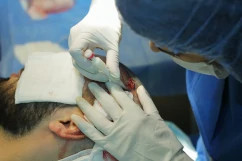
Ohne Kanalöffnung möglich
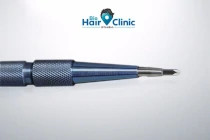
Ermöglicht Top-Ergebnisse

Die Behandlung im Detail